

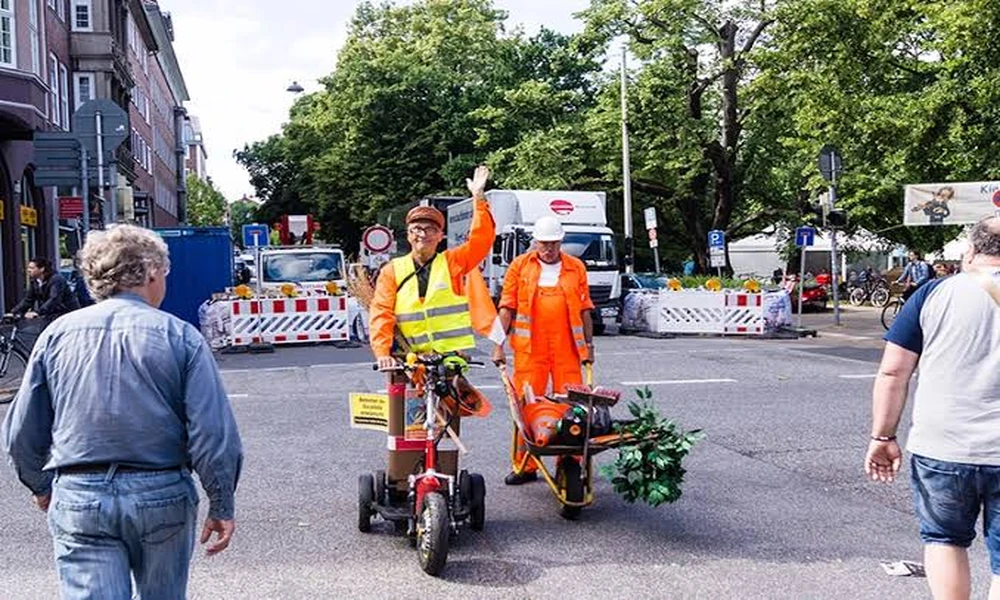
When a city block transforms from ordinary street to festival grounds, it sets off a chain reaction felt by every driver, resident, and business within shouting distance. The challenge? Keeping chaos at bay while thousands of people, vehicles, and cyclists all need safe passage.
Myth 1: Traffic Management for Large Events Is Just About Closing Roads
Nothing could be further from the truth. Closing roads is only the starting point in a complex equation. Large events demand a series of precise moves, from planning detours that actually work to ensuring emergency vehicles can get through in a crisis. Every road closure must be synchronized with city departments, police, and emergency services. Miscommunication here results in gridlock, frustrated residents, and potentially dangerous delays for first responders.
But what about everyone else on the move? Pedestrians and cyclists often bear the brunt when streets are shut down, risking confusion or unsafe crossings if their needs aren’t prioritized. Effective traffic management means analyzing not just car flow, but also the safety of everyone who travels on foot or on two wheels.
Myth 2: One Traffic Plan Fits All Event Types
A summer parade is a different beast from a multi-day music festival. Each location, from narrow city streets to sprawling suburban parks, presents its own logistical puzzles. Event planners need to assess road types, posted speeds, expected turnout, and even permit rules before designing a tailored control plan.
What happens when the weather turns nasty or crowds exceed expectations? Flexibility is essential. Real-time changes, rerouting a detour, expanding a closure, are part of the job, and the best teams are equipped to adapt fast. This is why experts like those in Salus Traffic control management design event-specific plans and update them on the fly, keeping safety and flow at the forefront.
Myth 3: Traffic Control Crews Are Only Needed During Event Hours
Managing traffic is not a simple show-up-and-go operation. Crews arrive well before the first attendee, setting up signs, cones, and barriers. After the event, the takedown must be just as meticulous to avoid lingering hazards for late-night travelers. Events that stretch into the evening or overnight, such as charity runs or construction-related closures, introduce new challenges. Night operations require specialized lighting, adjusted flagging procedures, and strict adherence to noise by-laws. Throughout, active supervision ensures evolving situations are handled before they multiply, and that compliance is never just assumed.
Myth 4: Signage and Barriers Alone Ensure Smooth Traffic Flow
Traffic jams are not solved by throwing up a sign and hoping for the best. Flagging crews, equipped with two-way radios, high-visibility clothing, and real-time communication, direct vehicles and keep everyone moving. For high-speed or high-risk areas, truck-mounted attenuators provide crucial protection, absorbing impacts to safeguard both workers and road users.
Pedestrian and cyclist routes demand as much attention as vehicle traffic. Temporary walkways, covered crossings, and clear detour markings help prevent confusion, especially in busy urban settings. Yet, even the best physical setup is useless if the public is left in the dark. Timely communication, through updates, signage, and alerts, keeps drivers and residents prepared, not panicked.
Myth 5: Managing Traffic Is Just About Vehicles
True public event traffic management looks far beyond the car. Wheelchair access, school zones, and public transit stops add layers of complexity. Accessible detours, AODA-compliant walkways, and coordination with bus routes often require creative problem-solving. Every decision must account for the full spectrum of travelers, from a parent with a stroller to a commuter dashing for the last train.
Myth 6: Technology and Equipment Can Replace Human Expertise
No amount of tech can substitute for seasoned eyes on the ground. Certified supervisors verify every stage of the setup, ensuring compliance with regulations and adapting when unexpected challenges arise. Human experience is crucial when quick thinking is needed, such as responding to an accident or shifting crowd dynamics mid-event. The best outcomes happen when advanced equipment and smart technology are paired with trained professionals who know how to use them.
Myth 7: Traffic Management Is Only a Cost, Not a Benefit
Yes, professional traffic control is an investment, but its benefits ripple outwards. Well-managed events boost local economies, keep attendees and residents safer, and minimize disruptions. Quick, effective setups and takedowns reduce delays for everyone, and visible accountability builds trust with the community. When operations run smoothly, the positive impact is felt long after the last barricade is gone.
Large public events are vibrant, city-shaping moments. Managing the traffic behind them is complex, demanding, and essential. Dismissing it as simple road closures underestimates the skill, preparation, and collaboration required to keep a city moving, safely and smoothly, for all.
