

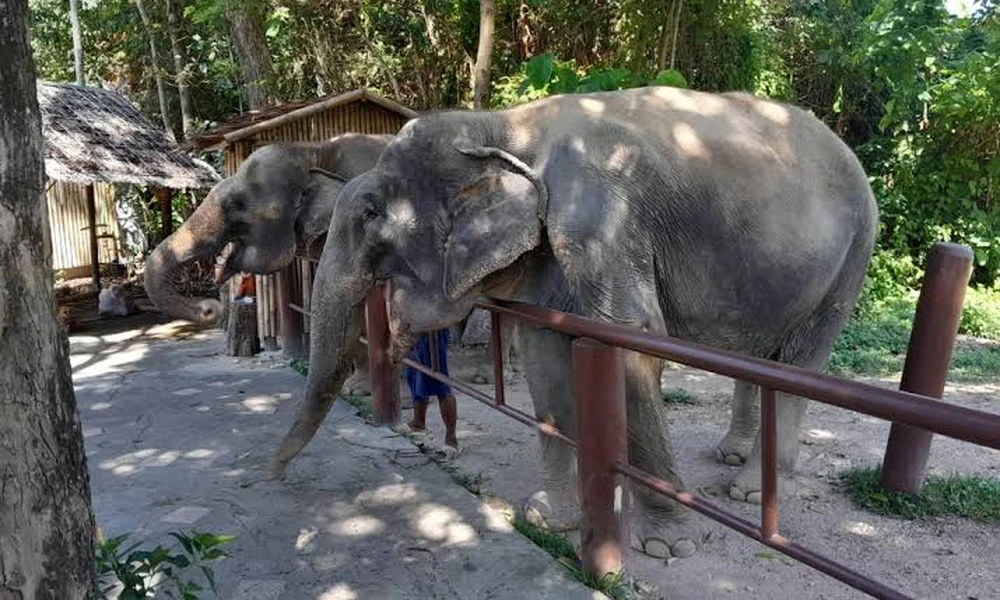
Elephants need open spaces, fresh air, shade, and freedom to follow their natural habits. Observing them in suitable surroundings helps visitors understand their daily needs and social behaviour. A koh phangan elephant sanctuary also brings attention to responsible elephant care and the value of protecting wildlife. Natural surroundings allow these gentle animals to explore, rest, communicate, and interact at their own pace. Learning about their habitat encourages respect for living creatures while showing why suitable living conditions matter for their long-term welfare.
Understanding Their Natural Living Space
Elephants thrive in areas offering vegetation, water, and room to move freely. Their surroundings support daily activities.
Exploring Green Surroundings And Trees
Trees provide shade during warm hours. Open ground allows elephants to walk around while exploring different parts of their home.
Observing Everyday Elephant Behaviour
Watching their movements reveals natural habits. Elephants communicate through sounds, body movements, and gentle contact with other herd members.
Recognising Their Social Bonds
Family groups play an important role in elephant life. Close relationships help these animals stay connected while moving around their surroundings.
Learning About Water And Shelter
Water sources support drinking and bathing. Shaded areas offer relief from direct sunlight while giving elephants suitable places to rest.
Protecting Space For Natural Movement
Room to roam encourages natural activity. Suitable surroundings allow elephants to choose where they walk, stand, or spend time resting.
Supporting Responsible Wildlife Care
Responsible care focuses on animal needs rather than visitor entertainment. Respectful observation helps protect their daily routines and personal space.
Preserving Natural Habits Through Observation
Watching from a suitable distance helps visitors notice natural actions without disturbing the animals. These simple observations build awareness of wildlife protection.
Recognising Signs Of A Suitable Habitat
A suitable living area offers space, shade, water, and opportunities for exploration. Observing these features helps visitors understand responsible animal care.
Understanding The Value Of Wildlife Protection
Wildlife protection begins with learning about animal needs. A koh phangan elephant sanctuary can also encourage awareness of ethical care and responsible observation.
Supporting Better Care Practices
Good care depends on thoughtful planning and regular attention to living conditions. Helpful priorities include:
- Maintaining clean and accessible water sources.
- Providing shaded areas for daytime rest.
- Keeping enough room for natural movement.
- Supporting social contact between compatible elephants.
- Reviewing surroundings to identify possible hazards.
Building Awareness Through Wildlife Education
Wildlife education helps visitors understand the importance of suitable habitats. Sharing accurate information can encourage more respectful choices around animals.
Protecting elephant welfare requires suitable surroundings, responsible supervision, and respect for natural behaviour. Visitors can contribute by choosing ethical places that value animal needs over close contact. Careful observation, clear guidance, and informed decisions help support better living conditions while encouraging lasting respect for wildlife.
