

Almost every article about sinus procedures opens with a diagram of your sinuses. That picture never answers the question you actually typed into the search bar. You want to know what the week after looks like, how bad it hurts, and how you will know if it worked. So here is the honest version, minus the anatomy lesson.
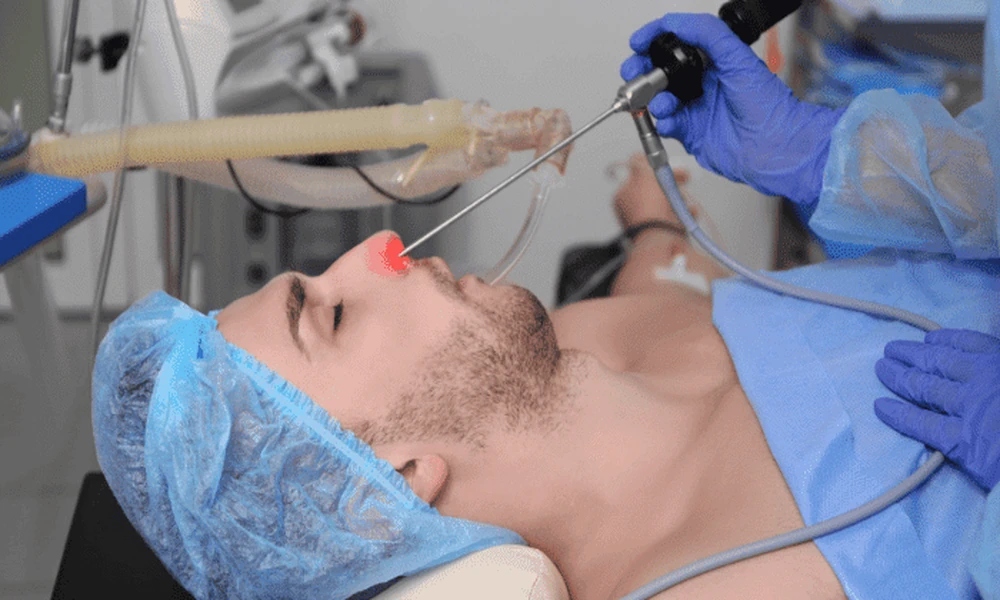
Functional endoscopic sinus surgery is an outpatient procedure that widens the natural drainage pathways in your nose using a thin scope and small instruments, so mucus can move instead of pooling. Nothing gets cut open from the outside. If you live in Georgia and you have already been through allergy shots, steroid sprays, and a round or two of antibiotics without lasting relief, this is often the next conversation people have with a specialist about sinus surgery Atlanta. The goal is simple: open the door and let your nose behave normally again.
Most patients walk into the surgery center that morning and walk out that afternoon. You will have someone driving you home because of the anesthesia, and you will want a few easy meals in the fridge before you get there.
Is the first week really as rough as people say?
Not rough. Annoying is more accurate, and there is a difference. Your nose will feel blocked because of swelling and the packing material used during the procedure, not because anything went wrong. Expect a fair amount of drainage, some blood tinged mucus in the first few days, and a stage where you cannot taste much of anything.
Here is what nobody prepares you for: the fatigue. Not the pain, the tiredness. Your body just spent a morning under general anesthesia and a week healing a surgical site, so plan on sleeping more than usual and skip the urge to get back on your laptop the next morning. Patients who rest hard in the first five days tend to have a much better second week than the ones who try to power through.
Your doctor will likely give you saline rinses, a steroid spray, and prescription pain medication you may not end up needing much of. Use the rinses even when they feel pointless. They clear crusting and keep the newly opened passages from sealing shut.
A recovery checklist you can actually follow
Most sinus surgery recovery advice is either vague or written by someone who has never had it. Here is the practical version I would hand a friend.
- Sleep with your head elevated. Two pillows or a recliner keeps swelling and drainage from pooling overnight.
- Skip the straw. Suction through a straw puts pressure on healing tissue. Drink from the rim.
- No nose blowing for the first week or two. Sniff gently and dab. Blowing hard is how people cause a bleed.
- Keep the follow ups. Your surgeon needs to clear debris at set intervals, and that visit is doing more for you than any medication at that point.
- Hold off on swimming, flying, and heavy lifting. Ask your surgeon for your own timeline rather than borrowing one from the internet.
I would also add one thing that gets skipped: write down how you feel each morning. It sounds fussy, but by week three you will have forgotten the difference between day two and day twelve, and your surgeon will want that comparison.
The workplace part nobody mentions
How much time you need off depends less on the surgery and more on your job. A desk job with a laptop and a phone is usually a two to four day absence. A warehouse shift, a hospital floor, or anything involving dust, fumes, or lifting is a different story entirely, and your surgeon will want to know exactly what your day looks like before they sign off.
That is not a small point. According to the Occupational Safety and Health Administration, breathing hazards in the workplace range from dusts and fumes to chemical vapors, and many of the fields that expose workers to those hazards are the same ones that involve lifting and physical strain. If your job falls into that group, be upfront about it during your pre op visit instead of mentioning it the day before.
How do you know the surgery worked?
This is where expectations get tricky, and it is worth being blunt about it. You will not feel the full result in week one. Peak improvement typically shows up somewhere in the first few months, after swelling settles and your passages have had time to heal completely, and some people keep noticing changes for up to a year.
What you should look for is a pattern, not a single good day. Fewer sinus infections over a season. Less pressure around your cheekbones and forehead when the weather shifts. Sleeping through the night instead of waking up with a blocked side. The American Academy of Otolaryngology notes that sinus surgery is generally considered when medical treatment has not controlled symptoms well enough, and that framing matters. The procedure is a tool that helps your other treatments work better, and it usually is not a standalone cure you can walk away from.
That is why the people who get the best outcomes tend to keep using their saline rinses and allergy management long after the healing period ends. Treat the surgery as the start of a maintenance routine rather than the finish line, and you will be far less disappointed.
What about the risks?
Every surgery has them, and this one is no exception. Bleeding, infection, and scarring that narrows the passage again are the ones surgeons talk about most. Rare complications involving the eye or the skull base exist, which is exactly why the training and experience of the person holding the scope matters more than the marketing on the website.
Less than one percent of the population is affected by chronic sinusitis, according to the American Association of Occupational Health Nurses, which is another reason it helps to confirm the diagnosis carefully before anyone operates. Ask how many of these procedures your surgeon performs in a year. Ask what they do when they find something unexpected mid procedure. You are not being difficult. You are being the kind of patient who gets good results.
Deciding whether it is the right call for you
If you have been managing sinus pressure with over the counter decongestants for years and you are still miserable every spring and fall, that is a signal worth taking seriously. Start with a proper evaluation, which usually includes a scope in the office and sometimes a CT scan. Get clear on what is actually causing the blockage, since polyps, structural narrowing, and allergy driven inflammation all get handled differently.
Then ask the one question that cuts through everything: what happens if I wait another year? A good surgeon will answer that honestly, including the possibility that waiting is fine. If they cannot give you a real answer, that tells you something too.
The people who do best with this surgery are not the ones with the worst symptoms. They are the ones who understood what they were signing up for, showed up to their follow ups, and kept up the maintenance afterward. Pick your surgeon carefully, rest properly, and give your nose the months it needs to show you what it can do. What would your mornings look like if you could breathe through both sides again?
