

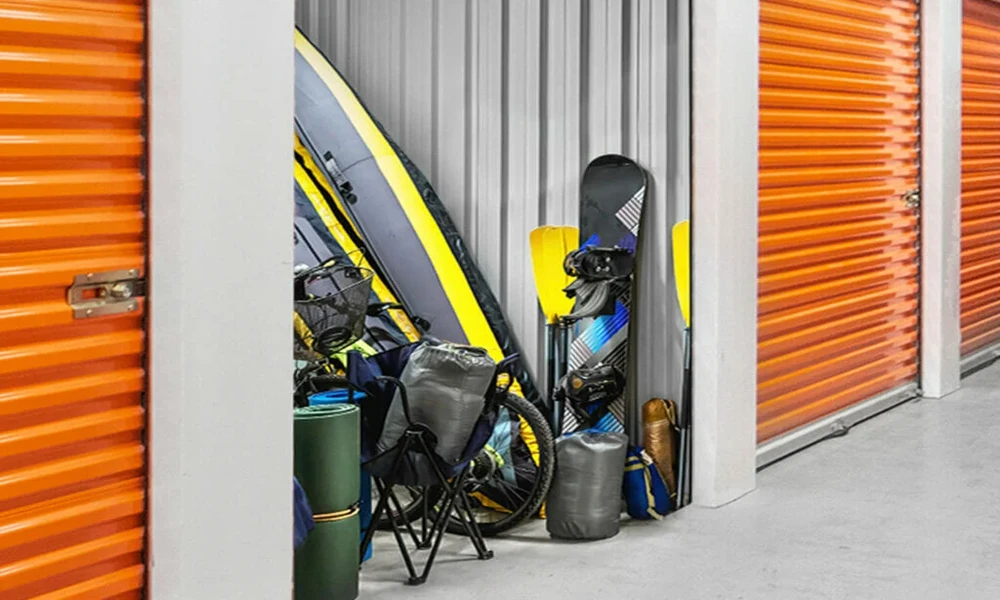
Most people rent a storage unit twice: once when they guess at the size, and again three months later when they realize the first one was wrong. I’ve watched a neighbor pay for a 10×20 for two years to hold what turned out to be about six boxes and a kayak. So before you sign anything, know what you’re actually storing, what size that translates to, and which features you can skip.
This guide walks you through sizing, unit types, climate control decisions, and the small stuff that eats your budget if you ignore it. You’ll finish with a clear way to compare facilities instead of picking the one closest to your house.
Start With an Inventory, Not a Guess
Before you look at a single listing, walk through your house or garage and write down what’s leaving. Group items into four piles: furniture, boxed goods, equipment, and things you’ll need access to within a month or two. That last pile matters more than people expect. If you’re storing a pressure washer you use every spring, you don’t want it buried behind a mattress.
Here’s the rough sizing most facilities use. A 5×5 holds a dorm room or a closet’s worth of boxes. A 5×10 handles a studio apartment. A 10×10 covers one or two bedrooms of furniture. A 10×20 fits a two-bedroom home or a small vehicle. A 10×30 takes a full house’s contents plus a car. These are baselines, not rules, and the facility staff will usually tell you honestly if you’re overshooting.
One caution I’d give anyone: units fill faster than you think. Boxes stack, but furniture doesn’t, and awkward items like ladders and bikes waste more floor space than their footprint suggests. If you’re within a size of the next tier up, take the bigger one for the first month and downsize after you see how it fills.
Match the Unit Type to What You’re Actually Storing
Storage isn’t one product. There are drive-up units, interior units, climate-controlled units, and outdoor parking for trailers and boats. Each one changes what you can safely leave inside and how much you’ll pay.
Drive-up units let you pull a truck right to the door. They’re the best choice for heavy furniture and anything you move with a hand truck. The tradeoff is exposure to outside temperature swings.
Interior units sit inside a building, often down a hallway. They’re harder to load but usually cheaper and more secure, since someone has to pass through a gate and a door to reach them.
Climate-controlled units hold temperature and humidity in a steady range. If you’re storing electronics, wood furniture, musical instruments, photographs, or business inventory that can warp or corrode, this is the version you want. It costs more, and for a box of holiday decorations it’s rarely worth it.
Seasonal gear is its own category. Ski equipment, kayaks, patio furniture, and lawn tools can sit in a standard unit fine, but anything with rubber, fabric, or fuel needs attention. Drain fuel from mowers and trimmers, and don’t store propane tanks indoors at all. That’s a facility rule almost everywhere, and it exists for good reason.
What Small Business Owners Should Think About
Over the past several decades, small businesses have grown into a major share of the American economy, and many of them run without a warehouse. According to the U.S. Small Business Administration, small firms account for a huge portion of employer businesses in the country, and plenty of them operate out of garages and spare rooms before they ever sign a lease.
A storage unit can bridge that gap. I’ve seen e-commerce sellers, contractors, and craft vendors use a 10×15 as a de facto stockroom, and it works if you treat it like one. That means keeping a written inventory, labeling every shelf, and choosing a unit with enough aisle space to walk in and pull orders without moving twelve boxes.
Practical rules if this is your situation. Keep your fastest-moving stock near the door. Store product off the concrete on pallets or shelving, because floors sweat in humid months. And check whether the facility allows light commercial use, deliveries, and occasional customer pickup. Some do, some very much don’t, and finding out after you’ve printed your new address on invoices is a bad day.
Features Worth Paying For, and Features That Aren’t
Facilities compete on amenities, and not all of them matter to you.
Worth it: gated access with a personal code, well-lit driveways, cameras at entry points, 24-hour availability if you work odd hours, and online payment. Being able to pay from your phone on a Sunday night saves real hassle.
Usually not worth it for most renters: premium pricing just for a brand-new building, insurance you already carry through a homeowners or renters policy, and a location across town when a closer facility costs a few dollars more. Gas and time add up faster than you’d guess over a year.
One thing I’d genuinely pay for is climate control if I’m storing anything with a screen or a wooden frame. I’ve pulled a warped table out of a hot unit before, and the repair bill erased every dollar I saved on rent.
A Quick Checklist Before You Sign
- Measure your largest single item, then compare it to the door width, not just the unit dimensions.
- Ask what happens if you’re a day late. Grace periods differ, and so do late fees.
- Confirm whether the rate is introductory and when it changes.
- Ask about pest control and whether the building is climate controlled year-round or only in summer.
- Walk the property at the hour you’ll actually visit. A quiet 2 p.m. facility can feel very different at 9 p.m.
- Read the lease for automatic renewal language.
You can also check broad population and migration patterns to understand why availability shifts in growing areas. Regions with population growth tend to see tighter storage supply and higher rents, and the U.S. Census Bureau publishes regular data on how communities are changing. If you’re moving to a fast-growing metro, book earlier than you think you need to.
When you’re comparing options in a specific area, it helps to look at facilities that offer multiple locations and online rentals, since that combination usually signals a stable operator. In south Georgia, north Florida, and the Dothan area, self storage units at Battery Source cover several cities with climate-controlled options and online payment, which cuts out most of the friction of renting during a move.
Mistakes That Cost You Money Later
Packing boxes too heavy is the classic one. A box of books weighs more than most people expect, and you’ll regret it on moving day. Keep book boxes small.
Another is leaving gaps. Empty space in a unit invites shifting, and shifting breaks things. Fill the gaps with soft items like blankets and pillows, and stack in a way that keeps the load from leaning.
And don’t forget the top. If you have vertical room, use it. Shelving that reaches near the ceiling can double your usable capacity in the same rented footprint, which changes the math on whether you need a bigger unit at all.
Finally, visit once a year even if you don’t need anything. Pull the door open, check for moisture, look for pests, and confirm nothing has collapsed. Ten minutes of inspection beats discovering a problem after six months of silence.
The Bottom Line
Pick your unit by inventory and access needs, not by square footage marketing. Get climate control if anything you own has a screen or a wood frame. Treat a commercial unit like a real stockroom, keep your fast movers near the door, and read the lease before you sign it.
What’s the one item you’d never store in a non-climate-controlled unit? Answer that honestly and you’ll know exactly which unit to rent.
