

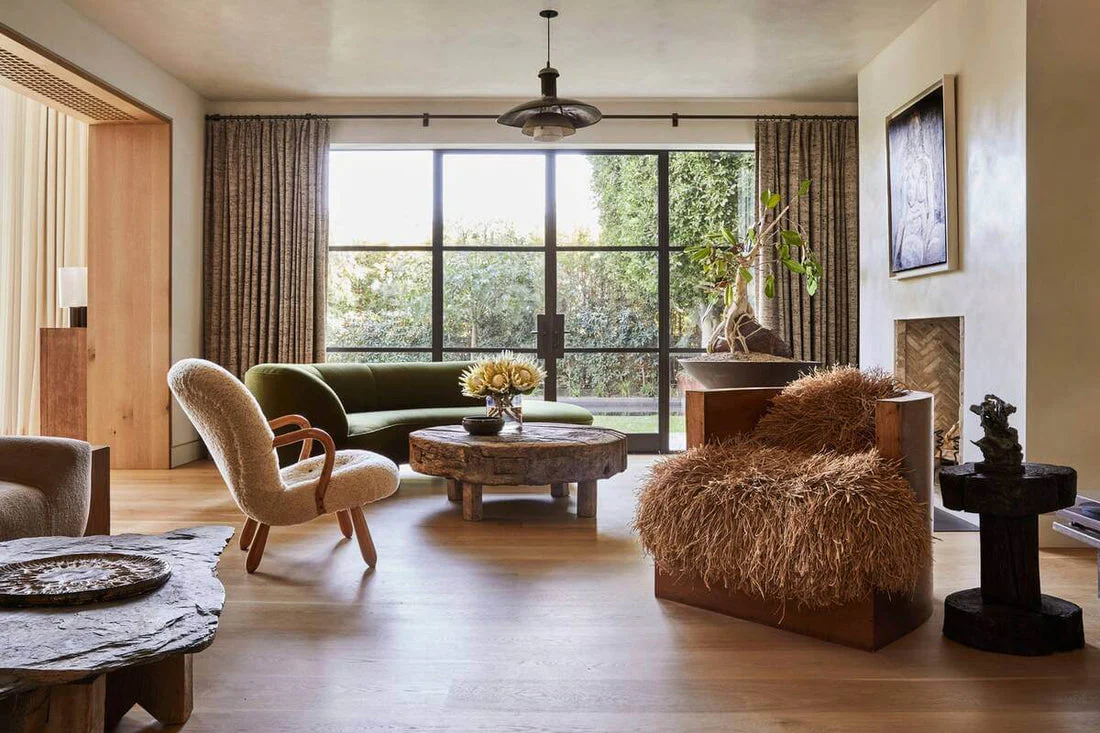
Wabi-sabi is a Japanese design philosophy that values simplicity, natural materials, and the quiet beauty of imperfection. In Arlington homes, where modern layouts often blend with traditional comfort, a wabi-sabi tea corner offers a calm retreat from busy routines. Rather than focusing on decorative excess, this style encourages thoughtful restraint and respect for natural aging, making each tea moment feel grounded and personal.
A tea corner inspired by wabi-sabi does not require a large room. Even a small unused nook, a window-side space, or a quiet part of the living area in an Arlington apartment can be transformed into a peaceful ritual zone with minimal adjustments.
Choosing the Right Location in Arlington Homes
Selecting the right spot is the foundation of a successful tea corner. Arlington’s seasonal light and suburban home layouts can work beautifully with this style.
Ideal placement options include:
- A corner near a window with soft morning or late afternoon light
- A calm section of the living room away from televisions and heavy foot traffic
- A quiet hallway nook that can be visually separated with a simple screen or plant
Natural light helps highlight textures such as wood grain, clay, and linen, which are central to wabi-sabi design. In Arlington neighborhoods with tree-lined streets, filtered sunlight through leaves can add gentle movement and warmth to the space.
Natural Materials That Define the Mood
Material choice is essential for creating an authentic wabi-sabi tea corner. The goal is to introduce elements that feel organic and unpolished rather than glossy or overly refined.
Recommended materials include:
- Solid wood or bamboo low tables with visible grain
- Handmade ceramic or stoneware teacups with uneven glazing
- Linen or cotton floor cushions in neutral tones
- Clay or terracotta planters for small indoor plants
In Arlington homes where hardwood flooring is common, a woven tatami-style mat or neutral rug can soften the seating area while keeping the look grounded and tactile.
Minimal Furnishing with Purpose
Wabi-sabi encourages keeping only what is necessary and meaningful. A tea corner should feel open, breathable, and uncluttered.
Essential items to include:
- A low tea table or tray placed close to the floor
- Two or three teacups and a simple teapot
- A small shelf or wall ledge for storing tea leaves and tools
- One natural decorative element such as a branch or stone
Avoid storage units that dominate the space. In Arlington homes with limited square footage, wall-mounted shelving can provide function without adding visual weight.
Soft Colors and Quiet Textures
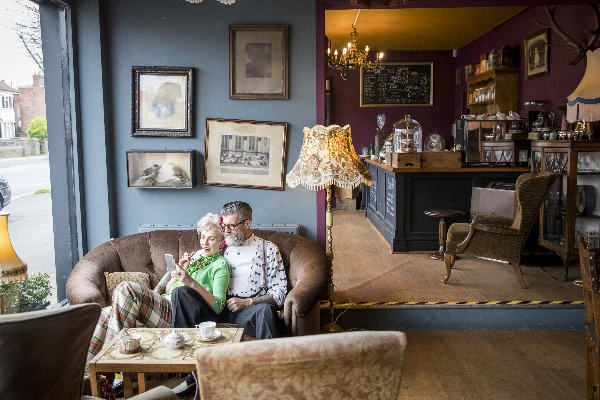
Color plays a subtle but important role in reinforcing calm. Wabi-sabi spaces rely on earth-inspired shades that reflect nature rather than trend-driven palettes.
Effective color choices include:
- Warm beige, clay, sand, and soft gray
- Muted greens that echo Arlington’s parks and backyard gardens
- Natural wood tones left unstained or lightly sealed
Textures should feel gentle and imperfect. Slightly wrinkled fabric, brushed ceramics, and weathered wood surfaces add character without demanding attention.
Creating a Ritual-Friendly Atmosphere
To support calm routines:
- Keep the setup consistent so preparation feels simple and familiar
- Use quiet, manual tools instead of electric kettles when possible
- Store only a few tea varieties to avoid decision overload
Personal Touches with Restraint
Wabi-sabi allows for personal expression, but in subtle ways. Objects should feel meaningful, not decorative.
Thoughtful additions may include:
- A small framed calligraphy print or ink sketch
- A handmade pottery piece from a local Arlington artisan market
- A simple vase with seasonal branches or dried grasses
Takeaway
A wabi-sabi tea corner brings understated elegance and emotional balance into Arlington homes. By focusing on natural materials, gentle colors, and purposeful minimalism, homeowners can create a space that supports reflection and calm without requiring major renovation. This simple corner becomes a daily reminder that comfort does not come from perfection, but from thoughtful design and peaceful habits rooted in everyday life.
